FROM THE ARCHIVE
Earth Day, 1970: A Turning Point
April 22, 1970 saw 20 million Americans take to the streets, galvanizing a movement that would reshape environmental policy for decades. This is how a generation changed the world.
By Walter Cronkite
April 23, 1970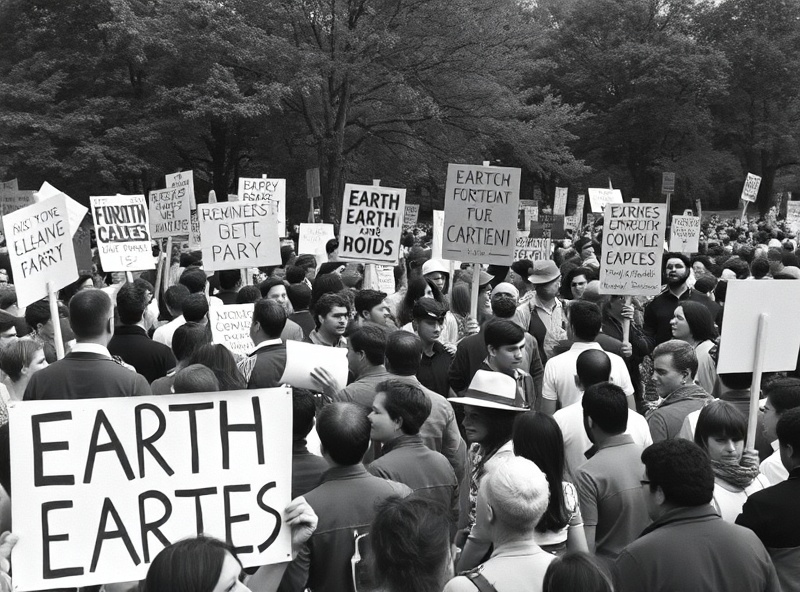
Yesterday was unlike any day this nation has witnessed in recent years. From coast to coast, from cities to small towns, millions of Americans poured into the streets in an unprecedented expression of concern for the environment. Earth Day—April 22, 1970—has become a watershed moment in our nation's consciousness.
The scale is difficult to comprehend. In New York City alone, 100,000 people gathered on the streets. In California, workplaces shut down as employees participated in teach-ins and marches. In Washington, the reflecting pool was the gathering place for demonstrations. This was not a movement led from above; it emerged from the grass roots.
What is most striking about this movement is its breadth. Young people and their elders, urban dwellers and rural farmers, students and workers—all united by a common concern. The issues are concrete: the polluted rivers, the fouled air in our cities, the mountains of waste we generate, the species we are driving to extinction.
For years, a handful of scientists and activists have warned about the dangers of pollution and environmental degradation. They were often dismissed as alarmists, as impractical idealists. Yesterday, the American people spoke: environmental degradation is not acceptable. We must change course.
The political implications are profound. No politician can ignore a movement of this magnitude. Congress is already discussing comprehensive environmental legislation. The Environmental Protection Agency is likely to be created in coming months. This day will be remembered as the moment when environmental protection became a central political concern.
But the greater significance lies not in policy, but in consciousness. A generation has come to understand that the health of the environment is inseparable from the health of human society. That unlimited economic growth pursued without regard to environmental cost is not progress but destruction. That we have a responsibility to future generations.
This is a movement that will not fade quickly. It taps into something deeper than politics—a recognition that we are part of nature, not masters of it, and that our fate depends on getting that relationship right.
April 22, 1970, will be remembered as the day America woke up.